

What is Antioxidant BHT(Butylated Hydroxytoluene)?
Antioxidant BHT (Butylated Hydroxytoluene) is a chemical additive used to prevent oxidation and extend shelf life in various industries.
Oxidation silently damages products, causing loss of quality, stability, and efficiency—ultimately hurting your profits.
Antioxidant BHT is a synthetic antioxidant commonly added to foods, cosmetics, pharmaceuticals, and industrial products to delay oxidation, maintain freshness, and extend shelf life effectively.

Choosing the right antioxidant ensures product integrity and consumer satisfaction, making BHT a popular choice across industries. Let’s dive deeper.
Why is BHT used as an antioxidant?
BHT is used as an antioxidant because it effectively prevents oxidation, preserving product quality, extending shelf life, and reducing waste.

Typical Product Data of Qualified BHT
| Item | Specification | Typical Results |
|---|---|---|
| Appearance | White crystalline powder | White crystalline |
| Purity (%) | ≥ 99.5 | 99.7 |
| Melting Point (℃) | 69.0-70.0 | 69.5 |
| Ash Content (%) | ≤ 0.005 | 0.002 |
| Moisture Content (%) | ≤ 0.05 | 0.02 |
| Free Phenol (%) | ≤ 0.02 | 0.01 |
| Heavy Metals (ppm) | ≤ 10 | 5 |
These specifications reflect the high quality of BHT commonly supplied to industries requiring strict standards, like pharmaceuticals and food-grade applications.
What industry are BHT used for?
BHT is widely used in food, cosmetic, pharmaceutical, rubber, petroleum, and plastics industries to prevent oxidation-induced product degradation.

Is it safe to consume BHT?
BHT is considered safe for consumption in regulated quantities, approved by agencies like FDA and EFSA; however, its safety is still debated.

What are the benefits of antioxidants additives?
Antioxidant additives significantly delay product degradation, improve stability, increase shelf life, and enhance product quality and safety.

What is BHT used for in the pharmaceutical industry?
In pharmaceuticals, BHT stabilizes medications, preventing oxidation, preserving potency, and extending shelf life.
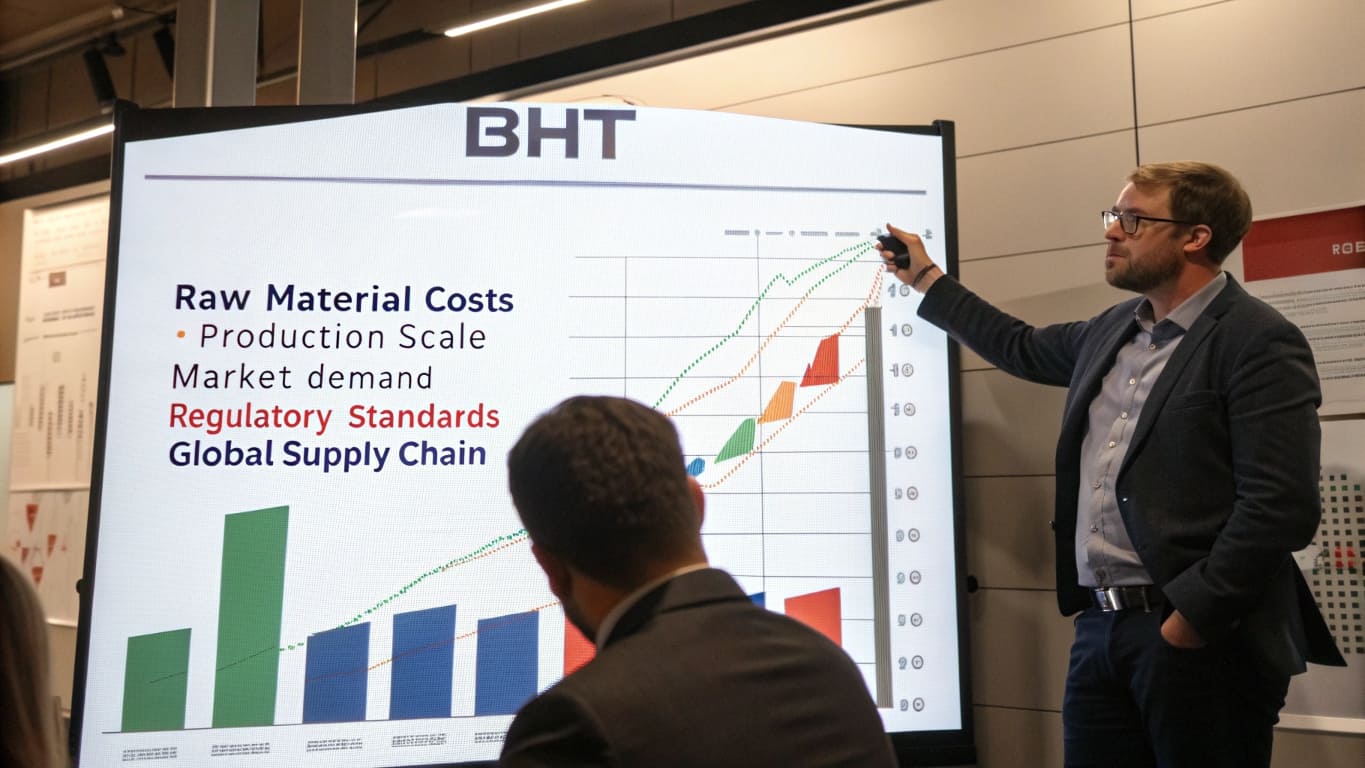
What influences the price of BHT?
The price of BHT is influenced by raw material costs, production scale, market demand, regulatory standards, and global supply chain conditions.
Key factors affecting the price of BHT
| Factor | Explanation | Price Impact |
|---|---|---|
| Raw Material Costs | Petroleum-derived raw materials fluctuate significantly with oil prices. | Directly affects cost and pricing. |
| Production Scale | Larger-scale producers benefit from economies of scale, reducing unit costs. | Lower cost per unit with higher volume. |
| Market Demand | High demand from industries such as food, pharma, and plastics can increase prices. | Increased demand drives prices upward. |
| Regulatory Standards | Stringent regulations increase production and compliance costs. | Higher compliance costs lead to higher pricing. |
| Global Supply Chains | Shipping disruptions, geopolitical tensions, and trade barriers impact supply reliability and cost. | Supply issues raise overall pricing. |
Understanding these factors helps anticipate price changes, ensuring better procurement strategies and predictable budgeting.
What is the famous manufacturers of BHT?
Major manufacturers of BHT include Lanxess, Sasol Limited, Eastman Chemical Company, Rayway Chemical, Maida Group, and Merisol USA LLC.
What is the difference between BHT and BHA?
BHT and BHA are both synthetic antioxidants; BHT is more stable at higher temperatures, while BHA offers better protection for certain foods and fats.
How to properly store and handle BHT?
BHT should be stored in cool, dry places away from heat sources, sunlight, and moisture to maintain its stability and effectiveness.
What are the environmental impacts of BHT?
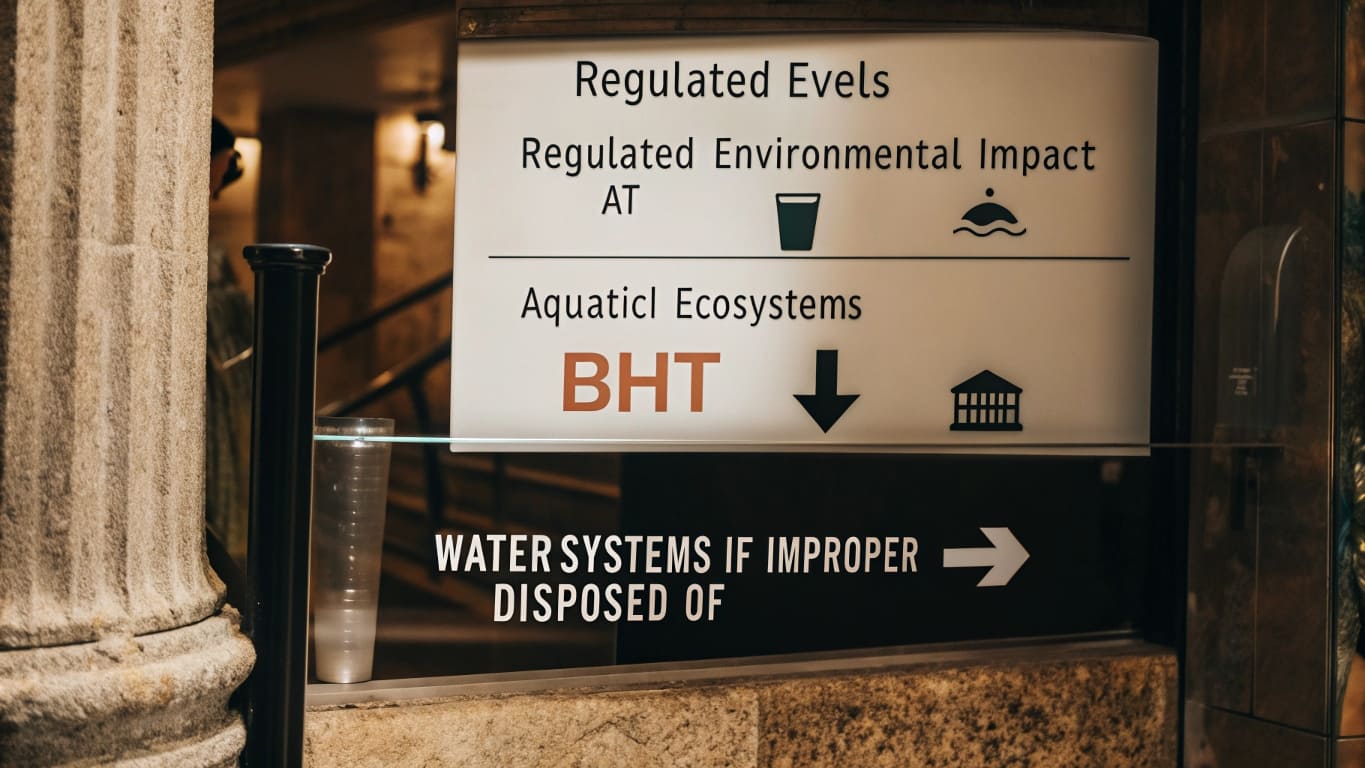
BHT has minimal environmental impact at regulated levels but can accumulate in water systems if improperly disposed of, potentially affecting aquatic ecosystems.
Conclusion
Antioxidant BHT effectively prevents oxidation, maintains product quality, ensures safety, and boosts profitability, making it essential across multiple industries.
Frequently Asked Questions
What is the recommended dosage for this product?
The general dosage range is 0.5-2.0 phr depending on the application. For specific formulations, consult with your supplier or technical team.
What is the shelf life?
24 months when stored in sealed original packaging under cool, dry conditions (below 30°C).
Is this product REACH compliant?
Contact your supplier for current REACH registration status and compliance documentation.
Can this product be used in combination with other additives?
Yes, it is compatible with standard rubber compounding ingredients including sulfur, zinc oxide, stearic acid, carbon black, and other accelerators and antioxidants.
What packaging options are available?
Standard packaging is 20 kg or 25 kg bags. Drum, FIBC big bag, and custom packaging options are available upon request.
Can I get a free sample for testing?
Free samples are available for qualified buyers. Contact the supplier for sample requests and shipping arrangements.
BHT vs Other Phenolic Antioxidants
| Property | BHT | SP | MBMBP |
|---|---|---|---|
| Type | Monomeric phenolic | Styrenated phenol | Methylene-bisphenol |
| Volatility | High (evaporates at high temp) | Medium | Low |
| Staining | Non-staining | Non-staining | Non-staining |
| Food contact | FDA approved | Limited | Limited |
| Cost | Low | Medium | High |
| Best for | Latex, plastics, food packaging | Latex foam | High-temp applications |
Market Price Range (2026 Estimate, FOB China)
| Grade | Price (USD/kg) |
|---|---|
| BHT (standard) | .50 - .50 |
| BHT (food grade) | .00 - .50 |
| BHT (technical grade) | .80 - .80 |

