

What is Rubber Antioxidant DTPD (N,N'-Bis(methylphenyl)-1,4-benzenediamine)?
Rubber antioxidant DTPD, chemically known as N,N'-Bis(methylphenyl)-1,4-benzenediamine, is a critical additive used to protect rubber products from oxidative damage.
It effectively prevents degradation caused by heat, ozone, and UV exposure, enhancing the lifespan and durability of rubber products.
Understanding the specifics of DTPD, including its chemical composition, structure, type, pricing, and specifications, is essential for manufacturers looking to improve rubber performance and product longevity.
What is the Chemical Name of Rubber Antioxidant DTPD?
The chemical name of Rubber Antioxidant DTPD is N,N'-Bis(methylphenyl)-1,4-benzenediamine.
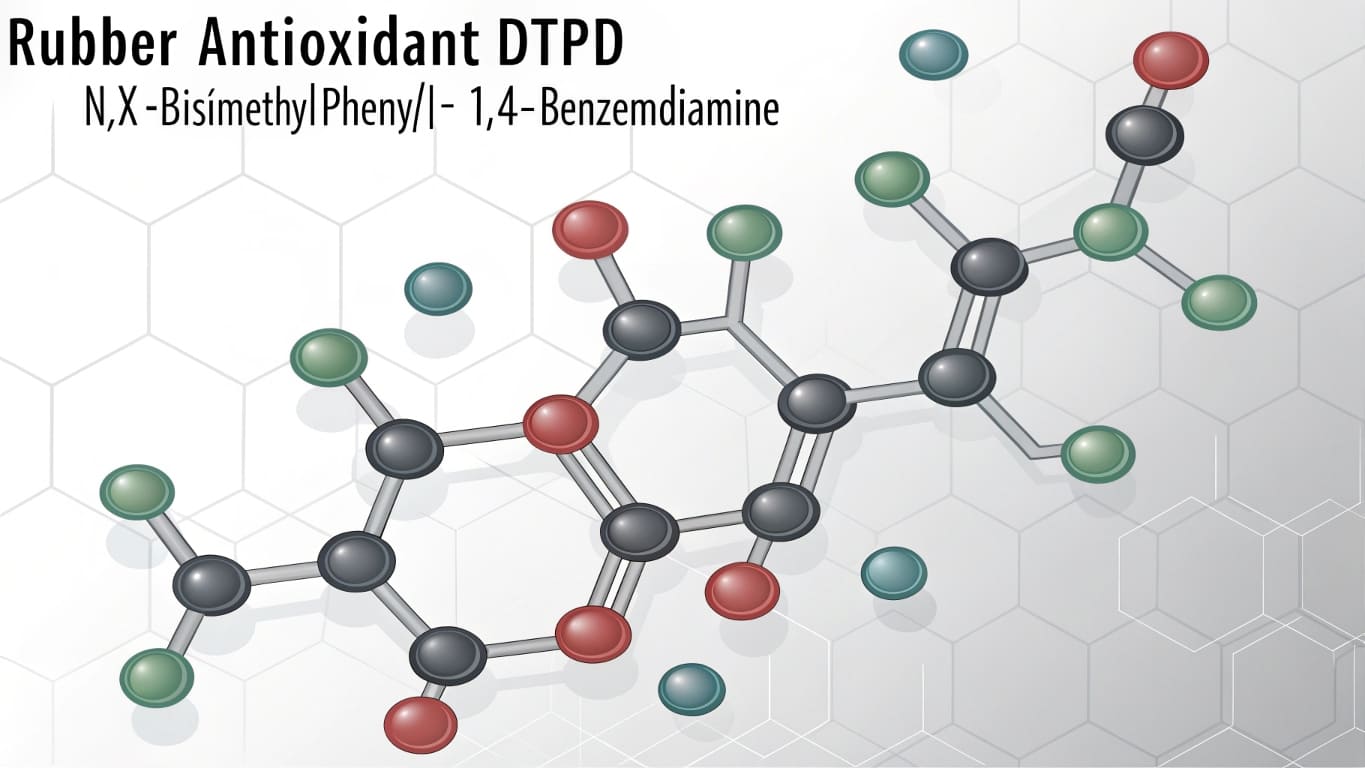
The chemical designation clearly reflects its structural components. It contains two methylphenyl groups connected through a benzene ring by a diamine linkage, essential for its antioxidative properties. The aromatic amine structure significantly enhances its stability and capability to neutralize harmful radicals generated during rubber oxidation.
DTPD effectively inhibits oxidative reactions, making it highly suitable for applications exposed to harsh conditions, such as automotive tires, industrial seals, and outdoor rubber products. Its robust chemical structure allows it to endure extreme temperatures and resist UV degradation, which are primary causes of rubber aging.
What Kind of Antioxidant Does DTPD Belong To?
Rubber Antioxidant DTPD belongs to the aromatic amine class of antioxidants.
Aromatic amine antioxidants, including DTPD, are known for their excellent ability to prevent oxidative degradation of rubber. Oxidation is a chemical reaction where oxygen reacts with rubber molecules, causing them to break down and lose essential properties such as elasticity, flexibility, and durability.
DTPD works by donating electrons to free radicals generated during oxidation, neutralizing these unstable molecules. By doing so, it interrupts the chain reactions responsible for rubber degradation. Aromatic amines like DTPD are particularly effective in environments with high heat and ozone exposure, conditions commonly found in automotive and industrial applications.
In rubber compounding, aromatic amine antioxidants often complement phenolic antioxidants. While phenolic antioxidants stabilize against initial oxidation stages, aromatic amines provide long-term protection under more extreme conditions. Using DTPD alongside phenolic antioxidants thus maximizes protection and extends product lifespan significantly.
What is the Chemical Structure of Rubber Antioxidant DTPD?
The chemical structure of Rubber Antioxidant DTPD consists of a benzene ring bonded to two methylphenyl groups through a 1,4-diamine linkage.
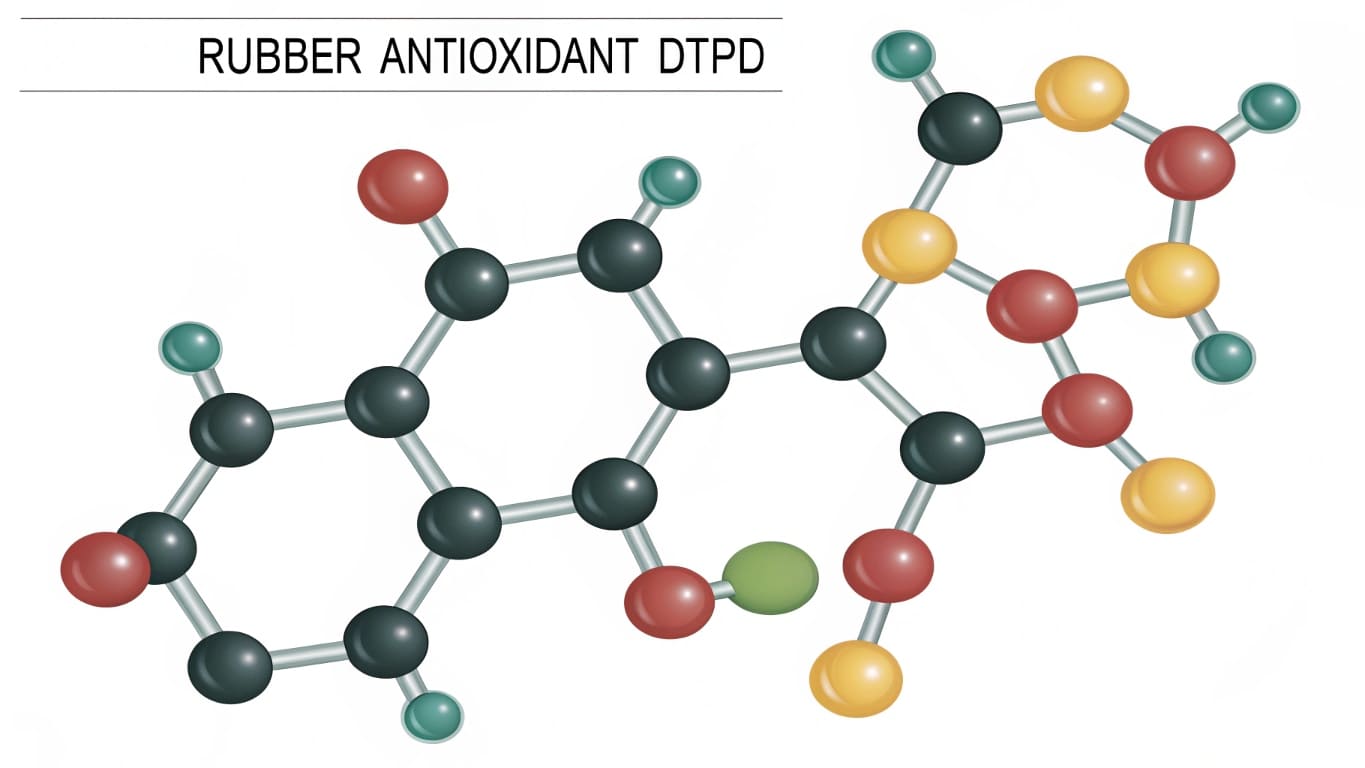
DTPD’s structure is uniquely designed to enhance its antioxidant capabilities. The benzene ring serves as the stable backbone, while the methylphenyl groups improve its ability to interact with rubber molecules. The diamine linkage further increases its capacity to effectively scavenge and neutralize harmful free radicals.
Its aromatic nature contributes significantly to thermal and oxidative stability. Due to this, rubber products formulated with DTPD withstand prolonged exposure to high temperatures without significant degradation. This stability is critical for products like automotive tires and industrial seals, which must perform reliably under intense operating conditions.
What is the Price of Rubber Antioxidant DTPD?
The price of Rubber Antioxidant DTPD varies depending on market factors but generally ranges between $4 and $7 per kilogram.
Several factors influence the price of DTPD, including market demand, manufacturing costs, raw material availability, and supplier location. Due to its specialized performance, DTPD typically costs more than basic antioxidants. However, its price is justified by its excellent performance and ability to significantly extend rubber lifespan, ultimately providing economic advantages through reduced replacement costs.
Manufacturers should balance price considerations with performance expectations. Selecting DTPD for high-performance or critical applications typically offers better long-term cost efficiency compared to choosing cheaper, less effective antioxidants.
What is the Qualified Specification of Rubber Antioxidant DTPD?
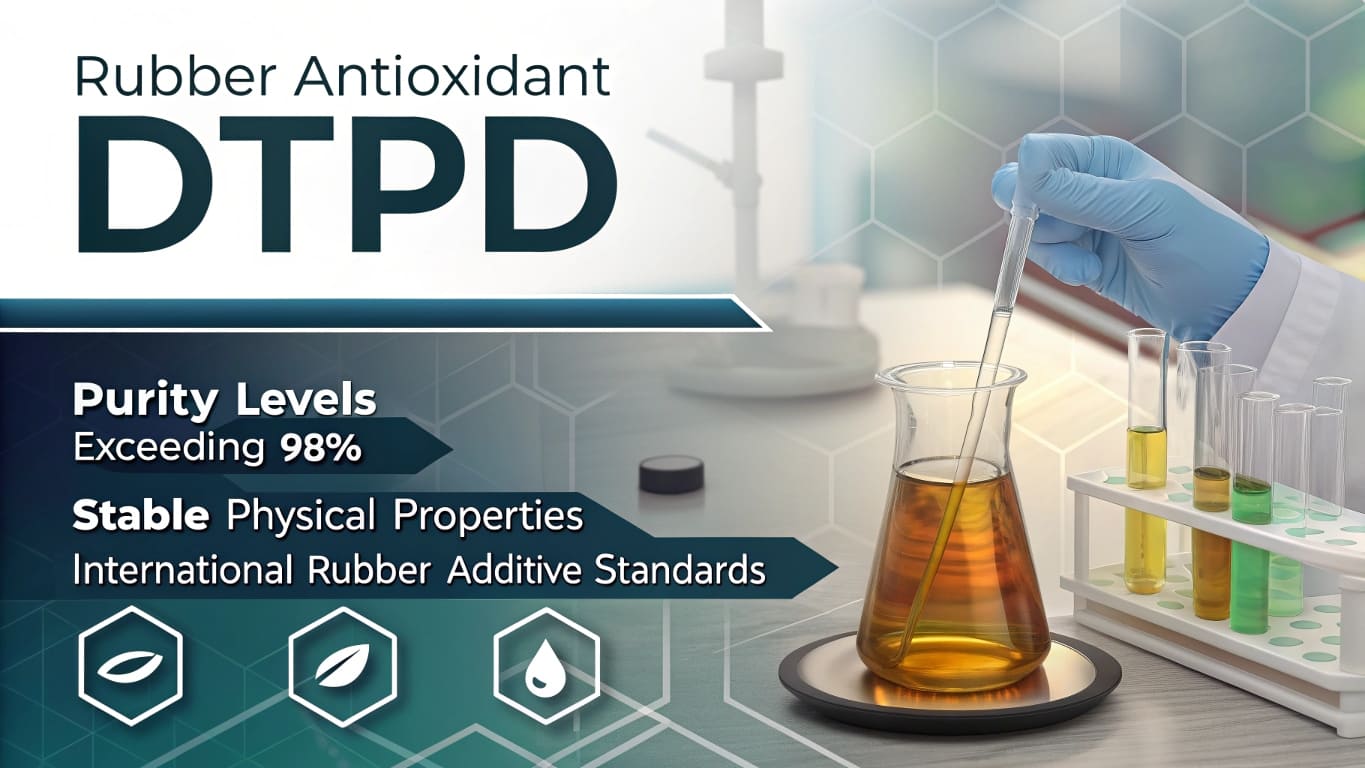
Qualified specifications for Rubber Antioxidant DTPD typically include purity levels exceeding 98%, stable physical properties, and compliance with international rubber additive standards.
Below is a standard specification table for Rubber Antioxidant DTPD:
| Property | Specification |
|---|---|
| Appearance | Dark brown flakes or granules |
| Purity (%) | ≥ 98 |
| Melting Point (℃) | 90-95 |
| Ash Content (%) | ≤ 0.3 |
| Volatile Matter (%) | ≤ 0.5 |
| Density (g/cm³) | ~1.14 |
| Solubility | Insoluble in water; soluble in benzene, acetone |
Meeting these specifications ensures DTPD’s optimal performance in rubber formulations. Purity is particularly critical as impurities can significantly diminish antioxidative effectiveness and stability. Ensuring compliance with these specifications guarantees that rubber products maintain high quality and durability standards, providing consistent and reliable protection against oxidative degradation.
Selecting DTPD that meets these criteria is crucial for manufacturers aiming for excellence in product performance, particularly for high-demand sectors like automotive and industrial applications.
Frequently Asked Questions
What is the recommended dosage for this product?
The general dosage range is 0.5-2.0 phr depending on the application. For specific formulations, consult with your supplier or technical team.
What is the shelf life?
24 months when stored in sealed original packaging under cool, dry conditions (below 30°C).
Is this product REACH compliant?
Contact your supplier for current REACH registration status and compliance documentation.
Can this product be used in combination with other additives?
Yes, it is compatible with standard rubber compounding ingredients including sulfur, zinc oxide, stearic acid, carbon black, and other accelerators and antioxidants.
What packaging options are available?
Standard packaging is 20 kg or 25 kg bags. Drum, FIBC big bag, and custom packaging options are available upon request.
Can I get a free sample for testing?
Free samples are available for qualified buyers. Contact the supplier for sample requests and shipping arrangements.
DTPD Applications by Industry
| Application | Typical Loading (phr) | Why DTPD |
|---|---|---|
| Truck and OTR tires | 1.0-3.0 | Superior heat resistance |
| Conveyor belts | 1.0-2.5 | Long-term thermal stability |
| Industrial hoses | 0.5-2.0 | Heat aging protection |
| Seals and gaskets | 0.5-2.0 | Compression set resistance |
| High-temp rubber goods | 1.0-3.0 | Excellent persistence |
DTPD vs Other Antioxidants
| Property | DTPD | 6PPD | TMQ |
|---|---|---|---|
| Heat aging | Excellent | Good | Very good |
| Flex cracking | Good | Excellent | Good |
| Ozone resistance | Good | Excellent | None |
| Volatility | Low | Moderate | Very low |
| Staining | Staining | Staining | Staining |
| Cost | Medium | Medium | Low |

